Case studies

The Idea Was Never the Problem.

Real founders, real apps, told from your side of the table. Three stories in full, then more of what we have built, taken over and kept running.

Told in full

Three Founders. Three Apps Worth Saving.

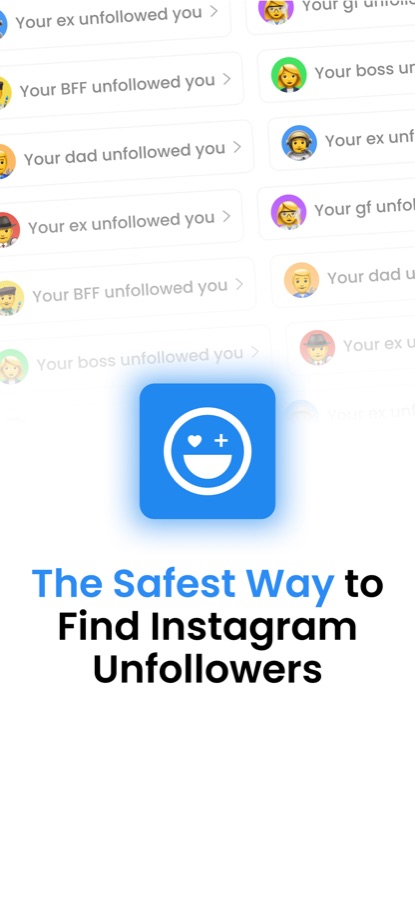
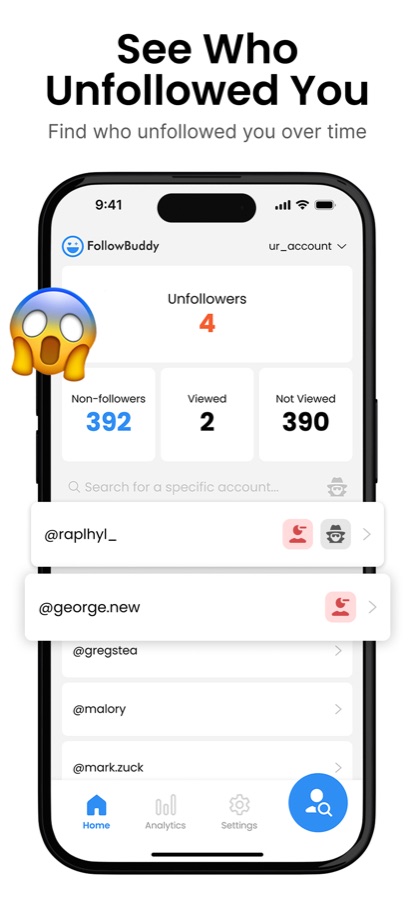
FollowBuddy App Store screenFollowBuddy home screen showing unfollowers

Story 01 · App takeover

FollowBuddy: Your customers were paying you. Your app was locking them out.

Customers paid on iPhone and found themselves locked out on Android. The one-star reviews were piling up, and every fix opened a new complaint. Everyone said start again.

  • What was breaking. Apple and Google each kept their own record of who had paid, and nothing joined them.
  • What we did. One subscription on every device in July 2025, and access back for every paying customer eight days later.
  • Where it stands. Fifteen months on, we still run it. Ben has since handed us StepPals and No Dice.
Live appSubscriptionsiOS · Android · Web
Read the story →
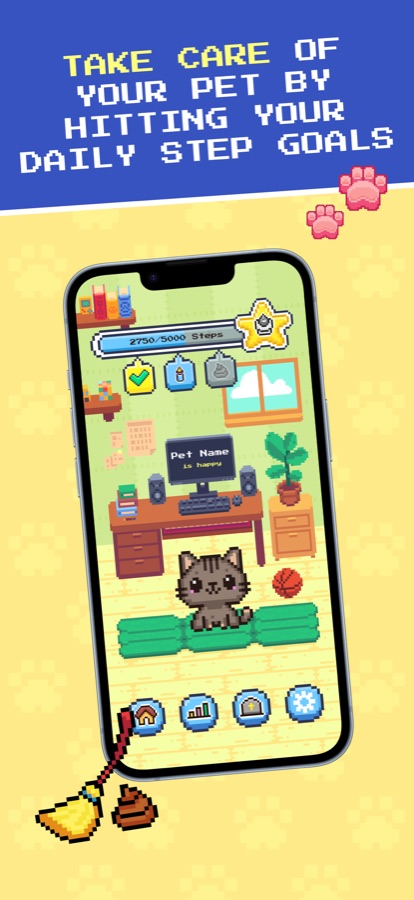
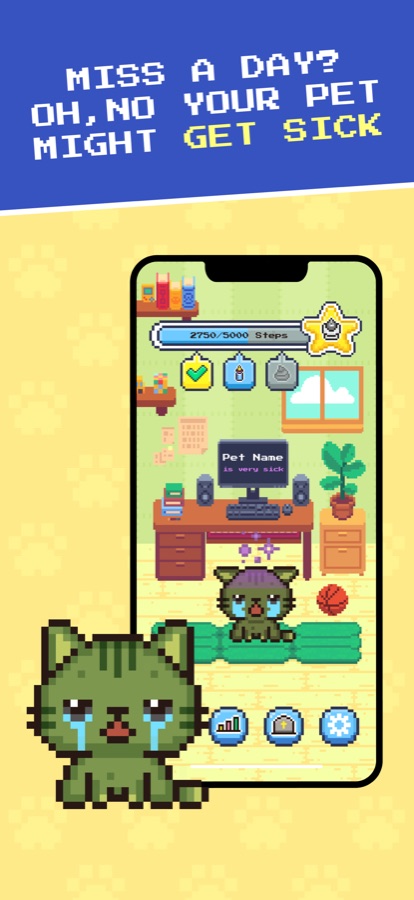
StepPals App Store screenStepPals screen: miss a day and your pet might get sick

Story 02 · Live-app rebuild

StepPals: To the team, it’s a new engine. To the player, it’s their pet.

A walking game where your steps keep a virtual pet alive. It had outgrown the technology it was built on, and its players had too much history to start again.

  • What was at risk. A rebuilt app that didn’t recognise its own players, or their pets.
  • What we did. Rebuilt it from Unity to React Native underneath them, and shipped it as an ordinary update.
  • Where it stands. The new build is the live app, now with widgets, an Apple Watch app and a lifetime plan.
Live appRebuildiOS · Android · Watch
Read the story →
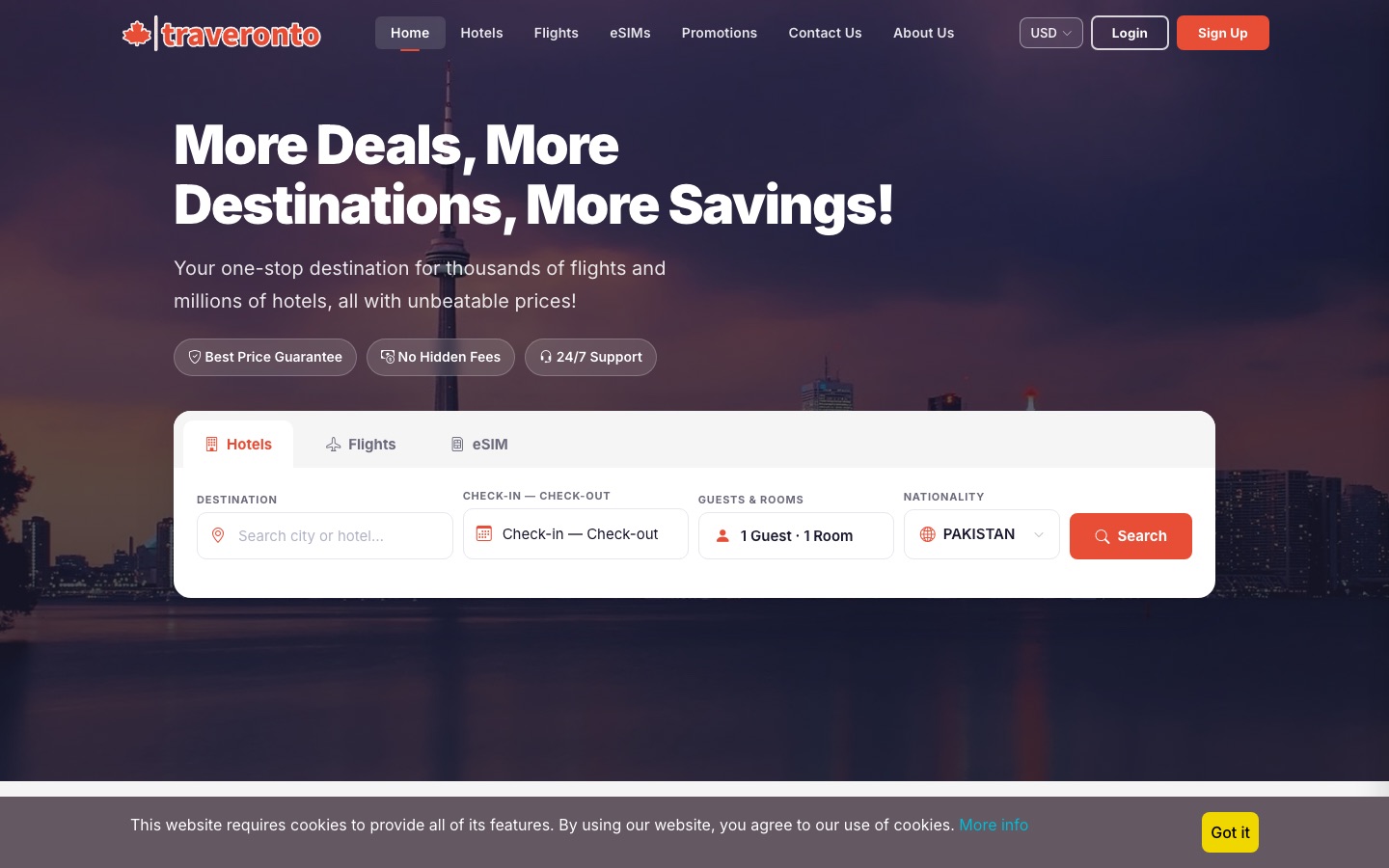
traveronto.com home page

Story 03 · Platform takeover

Traveronto: Add another supplier. Add another set of things that can go wrong.

A travel booking platform selling flights, hotels and eSIMs through agents and partners. Every new supplier made the inherited code harder to trust.

  • What was breaking. Each supplier wired in on its own, with no shared idea of what a booking was.
  • What we did. One way in for every supplier, booking and ticketing tracked apart, and a partner wallet that only charges after the supplier confirms.
  • Where it stands. More than two years in, and still growing: eSIMs, Amadeus hotels and a partner API in 2026.
Live platformTravelPartner API
Read the story →

More of our work

Built, Taken Over and Kept Running

Shorter stories from apps we built from scratch, apps we inherited, and products we helped other teams ship.

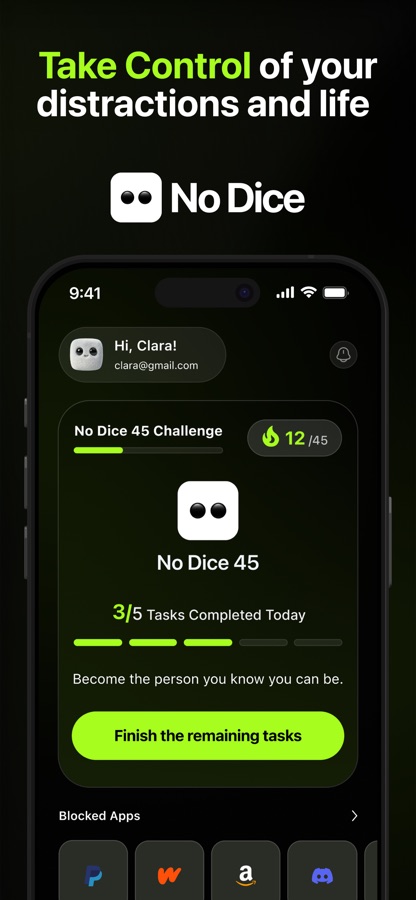
No Dice app home screen

No Dice · Product build

The decision to stop needed to last beyond the settings screen.

Choosing to block a gambling app is one decision. Keeping that choice in place when you want to open it again is another.

Ben wanted No Dice to help people take back control of their phones, starting with gambling. It needed to stand between the user and the apps they had chosen to block.

Read the rest

On iPhone, blocking uses Apple’s approved Screen Time capabilities. On Android, it uses a different set of native services. Each platform needed its own implementation, including the work to restore blocking after an interruption.

But a harder question remained: what should happen when someone wants to unblock? An instant switch would make the original choice easy to undo. The app instead takes the user through a checkpoint and an Exhale step before a timed unblock. The window closes again, and an invited accountability buddy can receive a bypass alert.

We built two modes around different intentions: Cold Turkey for outright blocking, and Cut Back for sessions, schedules and limits. Courses, challenges and community give people other ways to take part beyond the block itself.

No Dice reached the App Store in April 2026, after development began in December 2025. Work continues on the live app, including changes to its blocking model with staged rollout controls and integrity checks.

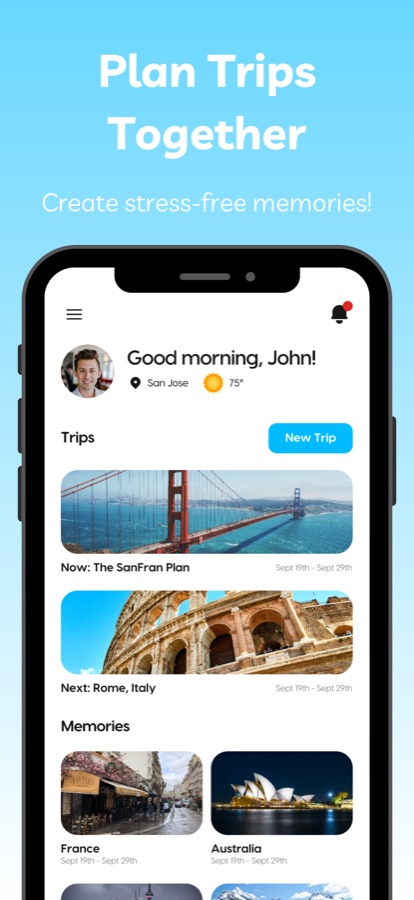
BluKyte app home screen: plan trips together

BluKyte · Product build

Everyone was going on the same trip. The details were scattered.

The flight is in someone’s inbox. The hotel is in another person’s booking account. The ideas are in a chat, and the expenses are somewhere else again.

Danish’s idea for BluKyte was to put those pieces in one place: bookings, plans, tasks, decisions and shared costs on a timeline the group uses together.

Read the rest

We built the mobile app while Danish’s team built the backend in parallel. Instead of waiting for every service, we built against agreed API shapes and mocked responses, so the flows could be shown and refined before switching to the real services.

The shared timeline brings flights, hotels, cars and trains together with tasks, ideas and experiences. Friends join by invitation, vote on plans and discuss each item instead of losing it in a group chat.

Expenses needed particular care. We built the screens for choosing who paid, splitting by amount or percentage, and catching splits that don’t add up, so balances read as what each person owes or is owed.

BluKyte was released on iOS in November 2024. Two teams worked in parallel, and a pile of travel-planning tasks became one place a group could open on their phones.

Klimb · Taken over

The trail was overseas. Our test route was in Lahore.

Klimb’s timer depended on where a climber actually was: at the start, passing the checkpoints or reaching the finish of a particular trail.

We had taken over an existing app, but our team couldn’t walk that trail from Pakistan. So we mapped a local test route in Lahore and added the controls needed to test the location flow there.

Read the rest

The client’s measurements on the real route shaped the checkpoint zones. The work continued through map fixes, start and finish QR checks, leaderboard corrections and TestFlight builds, so location-dependent behaviour was tested, not just how the screens looked.

Flex · Product evolution

A workout worth sharing should be a workout someone else can follow.

Flex began as a place to build workouts and log sets, reps and weight. Its second version added a social layer, but the useful change went beyond a feed.

A creator can publish a multi-week programme, and someone else can copy the whole thing into their own account: weeks, days and exercises, with credit kept.

Read the rest

We rebuilt the app and backend for that bigger idea, including creator profiles, posts, follows and notifications, with separate test environments so each feature could be reviewed on its own.

Hazzy Fitness · Front-end build

The plan had to carry through to the next workout and the next meal.

Hazzy Fitness combined a personal training programme with nutrition targets. The app had to connect the answers given at sign-up to what the member does next.

Working through Crowdbotics, our founder Asim built the app’s front end: sign-up, multi-week workouts, exercise videos, meal planning and membership.

Read the rest

Meal totals help members compare their choices with their targets, and the membership screens connect to the different payment flows on iPhone and Android. Structured QA and feedback rounds refined it across the app.

Viaggio · Front-end takeover

A place on a friend’s map should be a place you can reach.

Viaggio lets travellers save places, rate visits, keep a bucket list and follow friends. Those features had to connect: discover a place, find it on the map, share it with someone else.

Asim joined through Crowdbotics after an earlier mobile version had been set aside, and led the mobile front end: maps, place details, filters, profiles and social sign-in.

Read the rest

The work fixed wrong locations, search crashes and sharing links that needed to open the right place. Each fix is small on its own; together they joined up the path from seeing somewhere interesting to saving or sharing it.

Revitalizate · Platform extension

A new company needed its own programme, not a tangled copy of another’s.

Revitalizate organises workplace wellbeing content into programmes, areas, activities, questions and answers. Giving a new company its own programme meant copying a connected structure, not a single document.

Working through Elevow on an existing platform, we added a cloning flow that recreates the structure and reconnects its links, with progress the administrator can watch.

Read the rest

We also worked on company-specific access, and reports HR teams can search and export, so the next company’s setup reuses the content while keeping its access separate.

It doesn’t matter who built your app, or whether it’s half-finished or live and earning. If people love your idea and the app keeps letting them down, let’s talk.

Book Free Consultation