
A customer7:04 a.m.Subject: Where's my premium?
I paid. Where's my premium?
Case studies / FollowBuddy
A TectSoft case study · PrologueEvery founder is given one idea that belongs to them alone. Most people let it pass. They tell themselves it's silly, or too late, or someone else's to build.
You didn't.
You caught it at a kitchen table at midnight, or in the shower, or on a walk you can't remember the rest of. And from that moment, you belonged to it as much as it belonged to you.
This is the story of the summer the thing you loved most began to break, and how you saved it without letting it go.
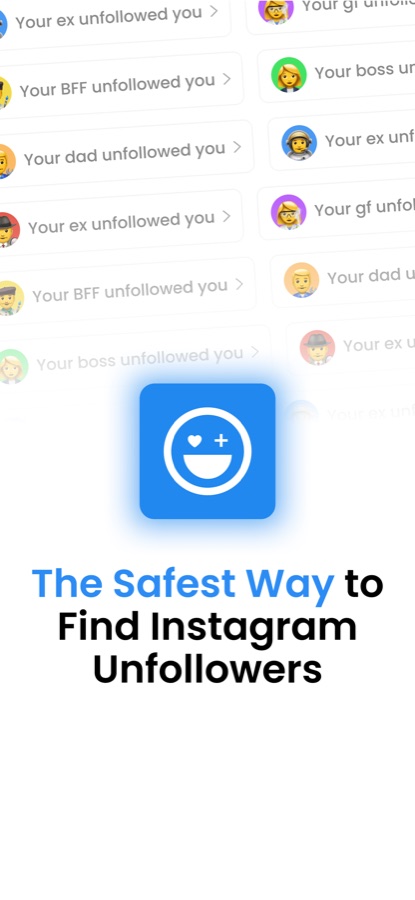
FollowBuddy · App Store screen
You've refreshed the dashboard thirty times. Nothing.
Then.
A stranger in a city you've never visited has just put their money on your dream.
You laugh out loud, alone, at two in the morning. You screenshot it. You send it to the one person who never doubted you. Then another one comes. And another.
For eleven days, you are the happiest you have ever been.
You should have known. Love stories that begin this perfectly always have a second act.
Ka-ching.
The email has no greeting.
"I paid. Where's my premium?"
You almost smile. One confused customer. You send a warm reply and promise it will be sorted.
By lunchtime, there are four. By evening, eleven.
"Paid on my iPhone. Android wants me to pay again."
"You took my money. Is this a scam?"
You read that last word six times.
Somewhere in the dark, a clock you can't see has started to tick.
Your team swears they've fixed it. You believe them, because you need to.
Two days of silence. You sleep through the night for the first time in a week.
On the third morning, your phone is already warm in your hand before you're fully awake. Forty-one new messages.
Apple rejects your update. Then it rejects the next one. Every rejection is another week your most loyal customers stand outside a locked door they have already paid to open.
And then come the ones you can't answer. They sit on your App Store page like graffiti across the front of your house. Every stranger who walks past reads them before they read a single word you wrote.
Every one of those people had paid you. It isn't money you never made. It's money you earned, walking back out of the door and slamming it behind them.
Took my money.
App Store review · illustrationPaid twice and still locked out.
App Store review · illustrationDon't download.
App Store review · illustrationTick.
You explained it before they built it. You explained it after. Once, you drew it on a whiteboard, slowly, the way you'd explain it to a child.
If someone pays on one phone, it works on every phone.
They nodded. They always nod.
Then the next fix ships, the next email lands, and something worse than anger starts to grow in you. It's quieter. It sounds like this:
Maybe it's me. Maybe I'm not built for this.
You lie awake doing the math on what it would cost to walk away.
There's one call every week you almost cancel. A small team building a little sister app for you on the side. A side project. Not important.
Except they keep asking questions.
The first time, you're irritated. The second time, you go quiet.
The third time, you put the phone down, walk to the window, and say out loud to an empty room:
That's exactly what's breaking.
They had seen the crack in your world before it opened, without anyone asking them to look.
One night in July, you write the email you've been avoiding.
Everyone you ask says the same thing. It's broken. Scrap it. Start again.
And it would be so easy. A clean page. No reviews. No angry inbox.
But you think about the stranger from launch night. The first heartbeat. The people who believed in you before anyone else did. Starting over means going to every one of them and saying: Sorry. You'll have to begin again.
You can't do that to them.
And here's what nobody had told you yet: you don't have to.
They don't touch a single line at first. They go in quietly, like detectives entering a house where something went wrong. Room by room, they ask: what happened here, and why?
Hours. Days. Then, in five seconds, everything changes.
"It isn't a bug."
Your app had no memory of who your customers were. Apple remembered one thing. Google remembered another. Nothing in between said: this is the same person, and they've already paid. Every fix had been a bandage on the wrong wound.
Your idea was never the problem. It was right all along. It had simply never been given a foundation big enough for what you dreamed.
For the first time in a month, you breathe all the way out.
They change the foundation while the house is still standing and people are still living in it.
Pay on one platform. Use on every platform.
But a love story isn't finished until you go back for the ones you lost. The people who paid and gave up. Who wrote you off. Who are still out there, believing you took their money.
Eight days later, the door opens for every one of them. Their premium is waiting, as if it had always been there.
Somewhere, a stranger opens your app, frowns, and then slowly smiles.
No new app. No starting over. Every change goes out as an ordinary update, and nobody notices anything except that it works.
The emails slow. Then they stop.
One morning you realise you opened your eyes without reaching for the reviews.
After everything, that silence is the sweetest sound of the summer.
An app that shows you who quietly unfollowed you on Instagram. In the summer of 2025, this was his app, his inbox and his App Store page.
We were the small team asking annoying questions.
Some people, once they've helped you save what you love, you don't let go.
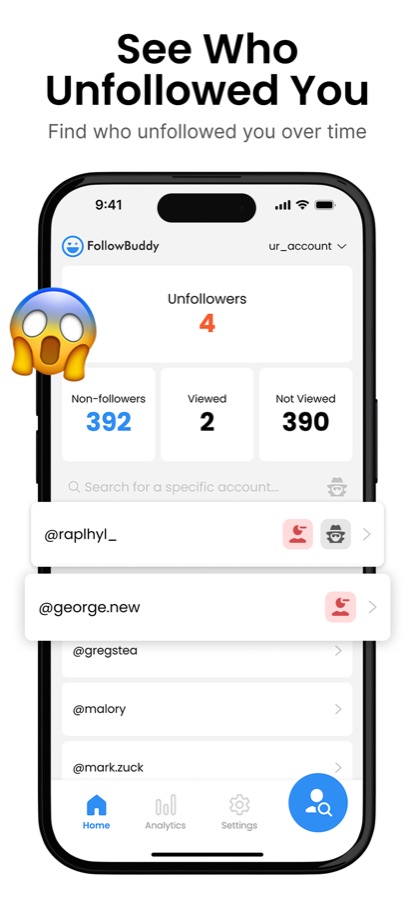
FollowBuddy · live App Store screens
You don't need to.
Your story isn't over. It has just reached the part where the stranger with questions shows up.
For developers: per-store purchase code replaced with one RevenueCat subscription model across iOS, Android and web, a server-backed restore flow for existing subscribers, React Native and Next.js. No new app was built. Every change shipped as a normal store update. Scenes marked "Illustration" show the documented problem as it would have felt; they are not real messages or reviews.